


Clear Water vs. Dirty Water Pumps: Why “One-Size-Fits-All” Isn’t Efficient
Can a sewage pump handle clean water? Yes. But should you use it that way? Learn why dedicated clear water pumps are more efficient, cost-effective, and longer-lasting for pure water applications.
As a pump supplier, we often hear this smart question from customers: “If a dirty water (sewage) pump can handle clean water, why should I buy a separate clear water pump? Wouldn't one sewage pump be enough for everything?”
It’s a logical thought. A rugged utility vehicle can drive on a highway, but you wouldn’t choose it for a daily commute. The same principle of specialization applies to water pumps. While a sewage pump is a versatile tool, using it exclusively for clear water comes with hidden costs in efficiency, energy consumption, and equipment lifespan.
Core Design Differences: Not About Capability, But Optimization
The fundamental difference lies in the pump’s internal engineering, specifically the impeller and volute (housing).
- Clear Water Pumps: Feature a smooth, narrow-channel impeller and a tightly designed volute. This creates a streamlined, efficient path for clean water, minimizing internal friction and turbulence. Think of it as a precision-designed water turbine.
- Dirty Water/Sewage Pumps: Are built with large passages, vortex impellers, or cutting mechanisms. The primary goal is to prevent clogging by passing solids (e.g., 30mm+ debris). This design intentionally sacrifices hydrodynamic precision for robustness.
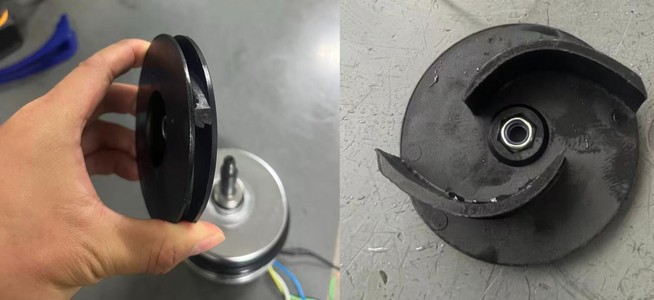
The left is impeller to clear water pump, the right side is impeller to dirty water pump
The Cost of Compromise: 4 Reasons to Choose a Specialized Pump
1. Energy Efficiency & Operating Costs
This is the most significant financial factor. A clear water pump operates at its Best Efficiency Point (BEP) when moving clean water. It uses a smaller, correctly sized motor to achieve the required flow and head (pressure), resulting in lower electricity bills.
A sewage pump moving the same volume of clean water operates far from its BEP. Energy is wasted overcoming internal water slippage and vortex losses. Over a year of continuous use, the extra energy cost can easily exceed the price difference between the two pump types.
2. Performance & Operational Experience
- Flow & Pressure: A clear water pump will often provide a stronger, more consistent flow rate for its rated power when used in its intended application.
- Noise & Vibration: The smooth operation of a clear water pump translates to quieter, lower-vibration performance. A sewage pump may cause more noise and vibration when handling clean water, leading to potential mounting issues and a noisier environment.
3. Wear, Tear & Service Life
Pumps have critical components like mechanical seals and bearings.
- Clear water pump seals are optimized for clean, lubricating fluid, promoting longer seal and bearing life.
- Sewage pump seals are designed to handle abrasives and may rely on different flushing mechanisms. Using them only with clean water might not provide optimal lubrication, potentially reducing the seal’s lifespan in that specific application.
4. Initial Purchase Price
For equivalent flow and head requirements in clean water applications, a dedicated clear water pump is typically less expensive than a comparably rated sewage pump. You pay a premium for the heavy-duty construction and solid-handling capability of a sewage pump-a feature you don’t need for clear water.
How to Choose: A Simple Decision Guide
Let’s simplify the choice based on your primary use case:
- Choose a CLEAR WATER PUMP if: Your application is purely or predominantly (>90%) for clean water.
- Examples: Domestic water supply, pressurizing clean water tanks, garden irrigation from a clean source, circulating water in a pond or pool, draining a rainwater tank (free of debris).
- Benefit: You get lower upfront cost, maximum energy savings, quiet operation, and optimal longevity.
- Choose a SEWAGE / DIRTY WATER PUMP if: You need to handle water with solids, fibers, or heavy debris.
- Examples: Draining flooded basements (with silt), emptying septic tanks, handling wastewater from washing machines or sinks, managing pond water with leaves and mud, construction site dewatering.
- Benefit: You get unmatched clog-free performance and durability in tough conditions.
- Consider a Sewage Pump as a “Multi-Tool” if: You have very occasional, mixed needs and prioritize a single investment for rare emergencies over daily efficiency. Be prepared for the trade-offs in higher energy use and noise.
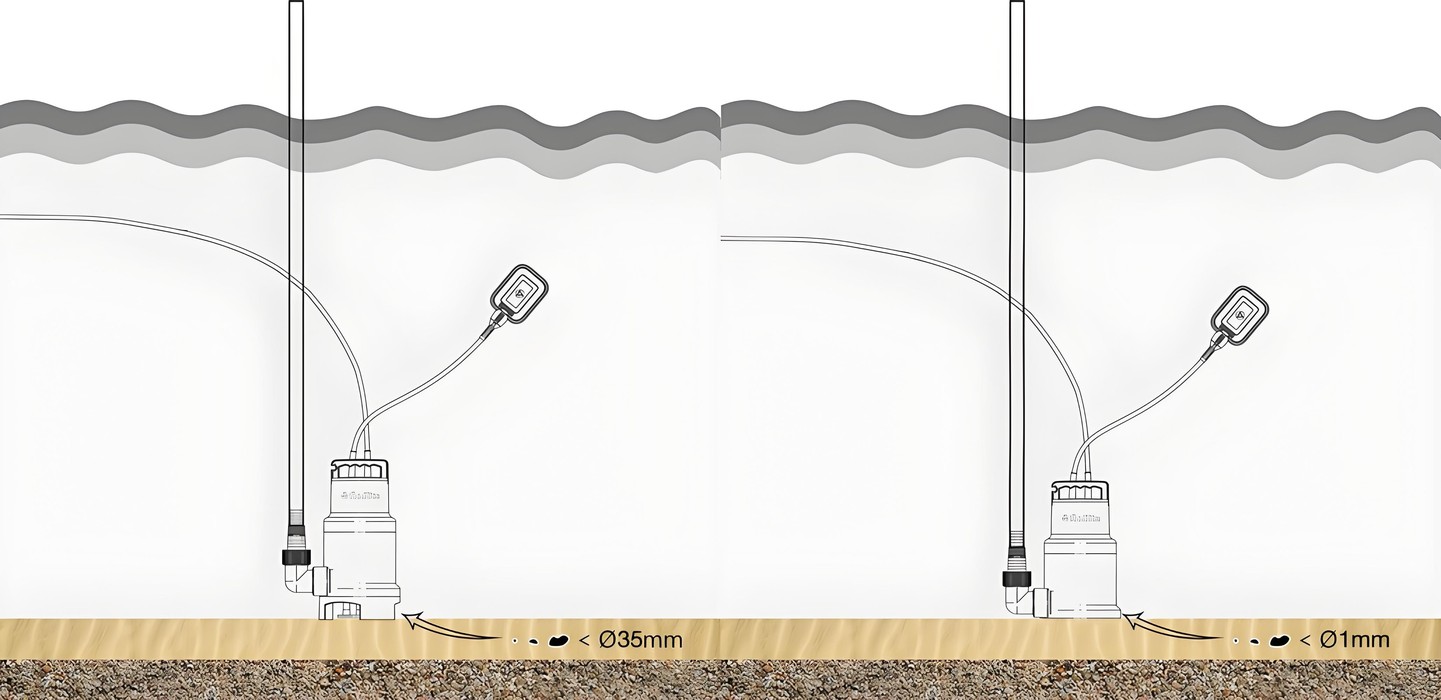
The left is dirty water pump and the right side is clear water pump
Conclusion
The choice isn’t about capability-it’s about long-term value and efficiency. A sewage pump is a powerful, clog-resistant “all-terrain vehicle” for your toughest jobs. A clear water pump is the “fuel-efficient sedan” perfect for your daily, clean-water tasks.
Investing in the right tool for the job saves you money on your electricity bill, reduces maintenance, and provides better performance. It’s not an extra expense-it’s a smart optimization.
Have a specific application in mind? Contact our experts today for a free consultation to find the most efficient and cost-effective pump for your needs.
-

Australia Residential & Garden Irrigation Pump Market Report
FLOSITE Market Insight Series
넶1 2026-06-30 -

FLOSITE Pump Division Engages with Industry Advances at FLOWTECH CHINA 2026
Industry Advances at FLOWTECH CHINA 2026
넶19 2026-06-17 -
The Rainy Season is Coming – Is Your Drainage Pump Ready?
– Is Your Drainage Pump Ready?
넶24 2026-05-27 -

2025 Global Pump Industry Sales Ranking: Key Players & Market Trends
Key Players & Market Trends
넶33 2026-05-12


